What Is Content Marketing and Why It Matter?
Content Marketing is a strategic marketing approach focused on creating and distributing valuable, relevant, and consistent content to attract and retain a clearly defined audience. Instead of directly promoting products, businesses educate, entertain, and inspire their audience through helpful information.
In today’s digital landscape, customers rarely buy immediately. They research, compare, and learn before making decisions. That is why companies invest heavily in long-form articles, video production, social media content, and email campaigns to nurture audiences through the conversion funnel.
Effective content marketing does more than attract visitors. It builds trust, thought leadership, and brand authority. Businesses that consistently publish high-quality content often experience higher organic traffic, stronger engagement metrics, and increased lead generation. Some of the biggest benefits include:
- Improved SEO strategy and search engine rankings
- Higher brand awareness and online visibility
- Better audience engagement across distribution channels
- Stronger customer relationships through storytelling
- Increased conversions with strategic call-to-action placements
Companies that invest in content marketing often see long-term growth because quality content keeps working long after it is published.

Audience Research: The Secret Weapon Behind High-Performing Content
The biggest mistake marketers make is creating content without understanding their audience. Successful Content Marketing starts with strong audience research. This process helps businesses understand their customers’ needs, interests, and search behavior.
Without this information, content becomes generic and ineffective.
Audience research reveals:
- What questions customers ask?
- What problems they want solved?
- Which platforms they prefer?
- What type of content they consume?
Understanding these insights allows marketers to produce targeted content that feels personalized and relevant.
Build Powerful Buyer Personas That Guide Every Content Decision
A critical part of audience research is creating buyer personas. Buyer personas represent the ideal customer profile based on real data and insights. These profiles help marketing teams create content that directly addresses customer challenges.
A strong buyer persona includes:
- Demographic information,
- Job role and industry,
- Goals and motivations,
- Pain points and frustrations,
- Preferred distribution channels.
Example persona structure:
| Persona | Role | Main Goal |
|---|---|---|
| Startup Founder | Business owner | Rapid growth |
| Marketing Manager | Campaign planner | Lead generation |
| Content Strategist | Brand builder | Audience engagement |
When content speaks directly to these personas, engagement improves dramatically.
The SEO Strategy That Brings Endless Organic Traffic
A strong SEO strategy ensures that content reaches the right audience through search engines. Search engines prioritize helpful, high-quality content that answers user questions. This makes SEO and content marketing inseparable. An effective SEO strategy includes three essential components.
Smart Keyword Targeting
Choosing the right keywords helps search engines understand your content. In this article, the primary keyword is Content Marketing, while supporting keywords include:
- storytelling techniques
- analytics tracking
- conversion funnel
- organic traffic
Using related terms helps search engines better understand the topic and improves ranking potential.
On-Page Optimization
Optimizing headings, metadata, and content structure helps search engines index content properly. Important on-page elements include:
- descriptive headings
- optimized meta descriptions
- internal linking
- clear call-to-action
Content Depth and Authority
Search engines reward comprehensive content such as long-form articles because they provide deeper value to readers.
Turn Your Content Into a Lead Generation Machine
Imagine turning every blog post, video, and social media post into a powerful lead generation engine. Strategic content marketing can convert visitors into subscribers, leads, and loyal customers.
The Editorial Calendar That Keeps Content Consistent
Consistency is the backbone of successful content marketing. An editorial calendar helps marketing teams plan, schedule, and organize content in advance. Instead of scrambling for ideas each week, teams follow a structured publishing plan.
Typical editorial calendar elements include:
- content topics
- target keywords
- publishing dates
- distribution channels
- assigned team members
Example calendar structure:
| Week | Content Type | Distribution Channel |
|---|---|---|
| Week 1 | Blog article | Website |
| Week 2 | Social media posts | |
| Week 3 | Email campaign | Newsletter |
| Week 4 | Video content | YouTube |
This structure ensures consistent publishing and improved content quality.

Storytelling Techniques That Instantly Build Trust
One of the most effective techniques in Content Marketing is storytelling. Stories create emotional connections and make information easier to remember. Instead of listing product features, successful brands share stories about how customers solved problems using their solutions.
Common storytelling formats include:
- customer success stories
- case studies
- founder journeys
- behind-the-scenes insights
These stories humanize brands and help audiences relate to them.
Distribution Channels That Multiply Your Reach
Creating great content is only half the strategy. The next step is distribution. Successful marketers publish content across multiple distribution channels to reach wider audiences.
Social Media Platforms
Social media platforms help brands promote content, start conversations, and increase visibility. Popular platforms include:
Email Campaigns
Email marketing remains one of the most effective ways to nurture leads and keep audiences engaged. Personalized email campaigns allow businesses to deliver targeted content directly to subscribers.
Influencer Outreach
Partnering with industry influencers expands reach and introduces brands to new audiences. Influencer partnerships can significantly improve brand awareness and credibility.
Become the Authority in Your Industry
Businesses that consistently produce valuable content become trusted voices in their industry.
Use thought leadership and storytelling to position your brand as the go-to expert.
Video Production: The Content Format Dominating Digital Marketing
In recent years, video production has become one of the most powerful tools in modern Content Marketing. Businesses across every industry are investing heavily in video because it captures attention quickly, communicates messages clearly, and creates emotional connections with audiences.
Unlike written content, video combines visuals, sound, motion, and storytelling into a single format. This multi-sensory experience helps audiences absorb information faster and remember it longer. As a result, brands using video effectively often see higher engagement metrics, stronger brand awareness, and better conversion funnel performance.
Research consistently shows that video increases user interaction, encourages longer website visits, and boosts organic traffic when optimized properly. Platforms like YouTube, Instagram, LinkedIn, and TikTok have also transformed how audiences consume content, making video an essential part of every SEO strategy and content plan.
Why Video Content Performs Better Than Most Formats?
Video stands out because it aligns with how people naturally consume information online. Modern audiences prefer fast, visual, and easy-to-understand content. Here are several reasons video consistently outperforms other content formats:
1. Higher Engagement Rates
Videos capture attention quickly. Social media platforms prioritize video because users are more likely to watch, comment, and share video content compared to static posts. This increased engagement leads to stronger engagement metrics such as:
- watch time
- likes and shares
- comments
- click-through rates
These signals also help boost visibility in platform algorithms.
2. Improved Information Retention
People remember visual content much better than text alone. Video combines storytelling techniques, visuals, and audio to deliver information in a memorable way.
For example, a product tutorial video explaining features often performs far better than a written description.
3. Stronger Emotional Connection
Video allows brands to show personality and authenticity. Facial expressions, tone of voice, and storytelling help audiences connect emotionally with a brand.
This emotional connection is essential for building long-term trust and loyalty.
How Video Fits Into the Content Marketing Strategy?
Successful Content Marketing strategies integrate video across multiple stages of the conversion funnel.
Each stage of the customer journey benefits from different video formats.
| Funnel Stage | Video Type | Purpose |
|---|---|---|
| Awareness | Educational videos | Attract new audiences |
| Consideration | Tutorials and webinars | Build trust |
| Decision | Product demos | Encourage purchase |
| Loyalty | Customer success stories | Retain customers |
By aligning video content with these stages, businesses can guide potential customers smoothly toward conversion.
The Most Effective Types of Marketing Videos
Not all video content serves the same purpose. Different formats deliver different marketing outcomes.
Below are some of the most effective video formats used in digital marketing today.
1. Explainer Videos
Explainer videos simplify complex topics and help audiences understand products, services, or concepts quickly.
These videos usually include:
- clear problem explanations
- simple visual storytelling
- concise messaging
Explainer videos are particularly effective for SaaS companies and tech brands.
2. Educational Videos
Educational content is one of the most powerful ways to build thought leadership.
Brands that teach their audience valuable skills position themselves as industry experts.
Examples include:
- tutorials
- how-to guides
- industry insights
- expert advice
These videos are excellent for increasing organic traffic when optimized for search platforms like YouTube.
3. Product Demonstration Videos
Product demo videos show customers exactly how a product works.
These videos remove uncertainty and help buyers visualize the value of a solution.
Effective demo videos typically include:
- feature walkthroughs
- real-life use cases
- problem-solving demonstrations
This format is particularly powerful during the decision stage of the conversion funnel.
4. Customer Testimonial Videos
Customer testimonials are extremely persuasive because they provide social proof.
Instead of brands promoting themselves, real customers share their experiences and results.
Testimonial videos build credibility and significantly influence purchasing decisions.
5. Social Media Short-Form Videos
Short-form videos have become dominant on platforms such as:
- Instagram Reels
- TikTok
- YouTube Shorts
These videos are designed for quick consumption and often focus on:
- quick tips
- entertaining content
- trending topics
Short-form videos help brands expand reach and attract new audiences.
The Role of Storytelling in Video Production
Storytelling remains one of the most powerful techniques in Content Marketing, and video amplifies its impact. A well-structured video story usually follows a simple narrative framework:
- The Problem – Present a challenge or pain point
- The Journey – Show the search for a solution
- The Resolution – Demonstrate how the solution works
This structure keeps viewers engaged and emotionally invested.
When brands combine storytelling techniques with compelling visuals, they create content that resonates deeply with audiences.
Optimizing Video Content for SEO and Discoverability
Creating great video content is only part of the strategy. To maximize reach, videos must also be optimized for search engines and platforms.
Key optimization techniques include:
Keyword Optimization
Use relevant keywords such as:
- video production
- content marketing strategy
- digital marketing videos
These keywords should appear in:
- video titles
- descriptions
- tags
Compelling Thumbnails
A visually attractive thumbnail significantly increases click-through rates. Effective thumbnails typically include:
- bold visuals
- readable text
- emotional expressions
Captions and Transcripts
Adding captions improves accessibility and helps search engines understand the content of the video.
Transcripts can also be repurposed into long-form articles, blog posts, or social media content.
Video Distribution Channels That Maximize Reach
Publishing videos on multiple distribution channels expands audience reach. Common channels include:
YouTube
The second-largest search engine in the world, making it essential for video discovery.
Social Media Platforms
Platforms such as LinkedIn, Instagram, and Facebook help distribute video content quickly.
Email Campaigns
Including videos in email campaigns can dramatically increase click-through rates.
Website Landing Pages
Videos on landing pages help explain products clearly and improve conversion rates.
Repurposing Video Content for Maximum Value
Video production requires time and resources, so smart marketers maximize its impact through repurposing assets.
A single video can be transformed into multiple content pieces, including:
- blog articles
- short social clips
- podcast audio
- infographic summaries
- email newsletter content
This strategy multiplies the value of each video while maintaining consistency across platforms.
Measuring Video Performance with Analytics Tracking
To improve results, marketers must track video performance using analytics tracking.
Important metrics include:
- watch time
- audience retention
- engagement rate
- click-through rate
- conversion rate
Analyzing these metrics helps marketers understand what content resonates most with audiences. Over time, these insights allow brands to refine their video strategy and produce higher-performing content.
Why Video Production Will Continue to Dominate Digital Marketing?
The popularity of video continues to grow as internet speeds improve and mobile devices become more powerful. Modern consumers prefer fast, visual content that fits their busy lifestyles. Video satisfies this demand better than any other format.
Brands that invest in high-quality video production today will gain a competitive advantage by capturing attention, building trust, and driving conversions.
In the evolving world of Content Marketing, video is no longer optional, it is essential for businesses that want to remain relevant and competitive in the digital marketplace.
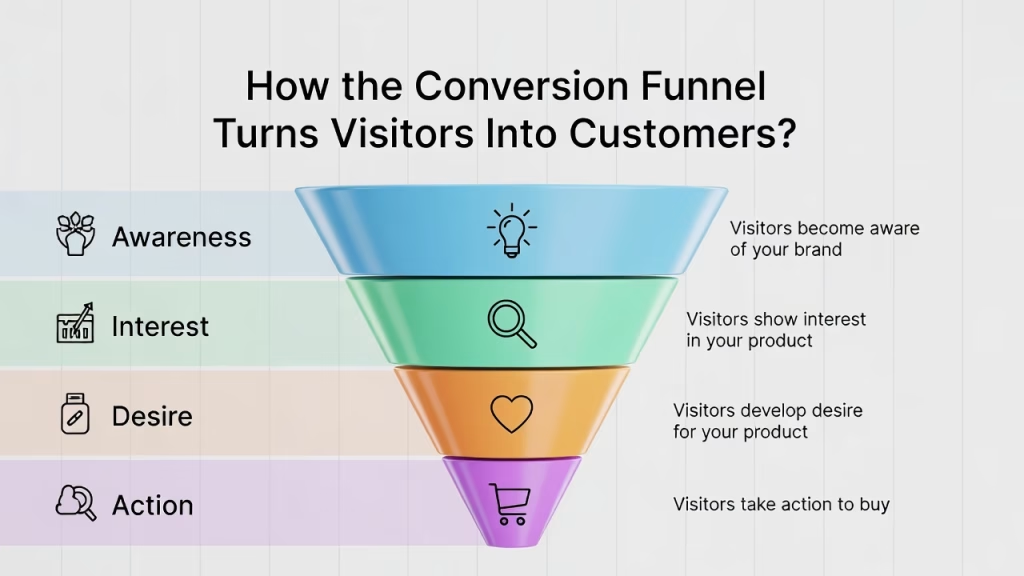
How the Conversion Funnel Turns Visitors Into Customers?
The conversion funnel describes the journey customers take before making a purchase.
Content marketing supports every stage of this journey.
| Funnel Stage | Content Type |
|---|---|
| Awareness | Blog posts, social media |
| Consideration | Guides, webinars |
| Decision | Case studies, product demos |
Strategic content guides users smoothly from curiosity to conversion.
Ready to Explode Your Website Traffic?
Unlock the full power of Content Marketing and start attracting thousands of qualified visitors to your website. Build smarter strategies, publish powerful content, and dominate search rankings.
Turn Your Content Into a Lead Generation Machine
Imagine turning every blog post, video, and social media post into a powerful lead generation engine.
Strategic content marketing can convert visitors into subscribers, leads, and loyal customers.
Start generating better leads today.
Repurposing Assets: Turn One Idea Into 4 Pieces of Content
Smart marketers maximize efficiency by repurposing assets. Instead of creating new content from scratch, they transform existing content into different formats.
Examples include:
- Turning blog posts into social media threads,
- Converting webinars into video clips,
- Transforming research into infographics,
- Republishing articles as email newsletters.
This approach saves time while maximizing reach.
Build a Content Strategy That Actually Converts
Great content does more than attract attention, it drives real business results. Create strategic content aligned with your conversion funnel, backed by data and analytics tracking.
How Content Marketing Builds Long-Term Brand Awareness?
Unlike paid ads that disappear once the budget ends, content marketing continues delivering value long after publication.
High-quality content keeps attracting visitors through search engines and social sharing.
Over time, businesses that publish consistent content experience:
- increased organic traffic
- stronger audience trust
- higher engagement metrics
- greater brand authority
This makes content marketing one of the most sustainable growth strategies.
Frequently Asked Questions
1. What is Content Marketing?
Content marketing is a strategy focused on creating valuable content that attracts, educates, and converts potential customers.
2. Why is Content Marketing important?
It helps businesses build trust, generate leads, increase brand awareness, and improve organic search traffic.
3. How long does Content Marketing take to show results?
Most strategies begin showing measurable results within three to six months with consistent publishing.
4. What content formats perform best?
Popular formats include blog articles, videos, social media posts, podcasts, and email newsletters.
5. How often should businesses publish content?
Consistency matters more than frequency. Many brands publish one to four high-quality pieces each month.
6. Can small businesses benefit from Content Marketing?
Yes. Even small businesses can compete with large companies by creating helpful and targeted content.
Content Marketing has become a cornerstone of modern digital marketing. By combining audience research, SEO strategy, storytelling techniques, and strategic distribution channels, businesses can attract the right audience and guide them through the conversion funnel.
Companies that invest in valuable content consistently experience stronger organic traffic, engagement metrics, and lead generation. Over time, this strategy builds brand awareness, trust, and industry authority.
The key to success is simple: create helpful content, publish consistently, track results using analytics tracking, and continuously refine your strategy.
When executed effectively, content marketing becomes the engine that drives long-term digital growth.