Introduction to SEO Consultant for Bloggers
The role of an seo consultant for bloggers has become more important than ever. Blogging used to be simple: write helpful content, publish it online, and readers would find it. Today, the internet is crowded with millions of blog posts competing for attention.
Search engines like Google rely on complex algorithms to determine which pages deserve top positions in search rankings. Without proper content optimization, keyword targeting, and technical improvements, even the best blog posts can remain invisible.
This is where an SEO consultant becomes valuable.
An SEO consultant helps bloggers improve visibility in search engines, attract more organic traffic, and build authority in their niche. Instead of guessing what works, consultants use data, analytics tracking, and strategic planning to grow a blog sustainably.
A professional SEO consultant typically focuses on several core areas:
- Keyword research and long-tail keyword discovery
- Content strategy development
- On-page optimization
- Link building campaigns
- Technical audits
- Competitor analysis
- Conversion rate improvements
When done correctly, these strategies transform a small blog into a powerful online asset capable of generating traffic, leads, and revenue.

What Does an SEO Consultant for Bloggers Actually Do?
Many bloggers assume SEO is simply adding keywords into articles. In reality, professional SEO involves a complex combination of strategies designed to improve visibility and user experience.
A skilled seo consultant for bloggers acts as a strategist, analyst, and technical expert.
Core Responsibilities in Blog SEO
The main responsibilities of an SEO consultant include optimizing content, analyzing search engine results pages, and building authority for the blog domain.
These experts carefully analyze the blog’s structure and performance using tools like Google Analytics, Search Console, and SEO platforms such as Ahrefs or SEMrush.
Key responsibilities include:
- Performing technical audits
- Conducting keyword research
- Improving on-page optimization
- Creating a scalable content strategy
- Monitoring rankings and organic traffic
- Implementing link building campaigns
Content Optimization and Blog Structure
Content optimization ensures blog posts are aligned with search engine expectations. Consultants evaluate:
- Heading structure (H1, H2, H3)
- Keyword placement
- Readability and engagement
- Internal linking structure
- Meta descriptions and title tags
Optimized content not only ranks higher but also keeps readers engaged longer, which improves SEO signals.
Keyword Research and Long-Tail Keyword Strategy
One of the most important tasks is keyword research. Instead of targeting extremely competitive keywords, SEO consultants often focus on long-tail keywords. These phrases typically have lower competition but higher conversion potential.
For example:
| Broad Keyword | Long-Tail Keyword |
|---|---|
| SEO tips | SEO tips for beginner bloggers |
| blogging | blogging strategies for organic traffic |
| SEO consultant | seo consultant for bloggers |
Long-tail keywords help blogs rank faster and capture targeted traffic.

How SEO Consultants Improve Organic Traffic?
Growing organic traffic requires a systematic approach. SEO consultants don’t rely on guesswork; they analyze search intent and build strategies around it.
Strategic Content Strategy for Bloggers
A successful blog requires a strong content strategy.
SEO consultants help bloggers identify content gaps and opportunities. They create topic clusters and pillar content that strengthen the site’s topical authority.
For example, a blogging site might create a pillar article on SEO and supporting posts such as:
- Keyword research guides
- Link building strategies
- Technical SEO checklists
- On-page optimization tutorials
This structure helps search engines understand the site’s expertise.
SERP Analysis for Competitive Niches
Before creating content, SEO consultants perform SERP analysis. SERP analysis examines the pages already ranking on the first page of Google.
Consultants analyze:
- Content length
- Domain authority
- Backlink profiles
- Content format
- Search intent
By studying competitors, consultants can identify exactly what is needed to outrank them.
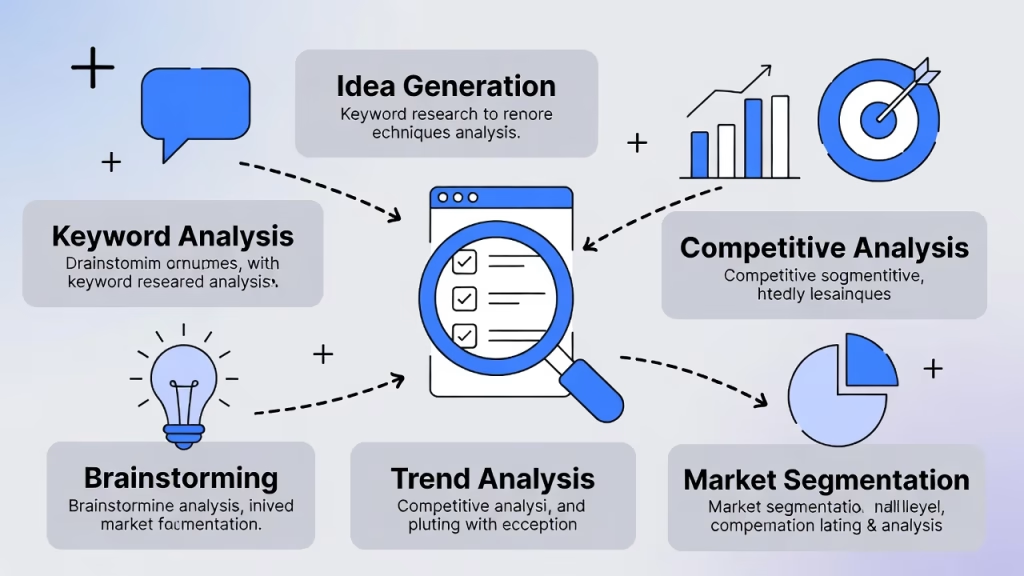
Keyword Research Techniques Used by Experts
Keyword research is the foundation of every successful SEO campaign. Without the right keywords, even great content will struggle to rank.
Finding High-Intent Keywords
High-intent keywords indicate that the searcher is looking for specific solutions.
For example:
- “best SEO tools for bloggers”
- “how to increase blog traffic”
- “seo consultant for bloggers”
These keywords bring visitors who are more likely to engage with content or services.
Using Long-Tail Keywords to Rank Faster
Long-tail keywords are essential for bloggers with newer websites. Benefits include:
- Lower competition
- Higher relevance
- Better conversion rates
- Faster ranking opportunities
A strong keyword strategy typically combines both primary keywords and related semantic terms.
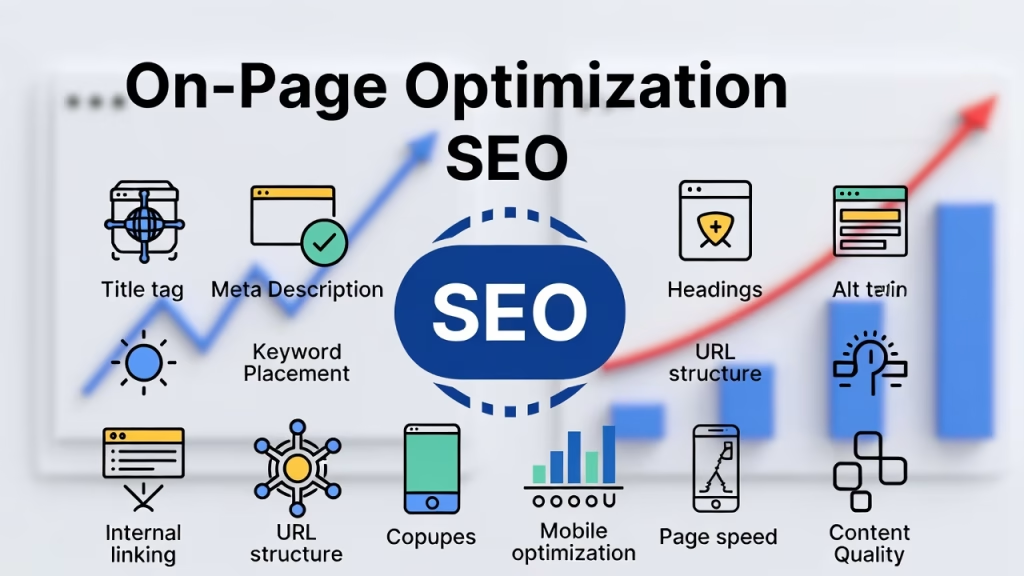
On-Page Optimization for Blog Growth
On-page SEO ensures every page is properly optimized for search engines and readers.
Optimizing Titles, Headings, and Meta Descriptions
Titles and meta descriptions strongly influence click-through rates.
A well-optimized title includes:
- Primary keyword
- Power words
- Clear value proposition
Example:
“17 Powerful SEO Strategies Every Blogger Should Know”
Meta descriptions summarize the content and encourage clicks.
Internal Linking for SEO Power
Internal linking connects related blog posts together.
Benefits include:
- Improved crawling by search engines
- Better user navigation
- Stronger topic authority
- Higher page rankings
A well-structured internal linking system spreads authority across the entire website.
Technical SEO Audits for Blogging Websites
Technical SEO ensures that search engines can crawl, index, and understand a blog efficiently.
Improving Site Speed
Page speed is a major ranking factor. Slow websites cause higher bounce rates and lower user satisfaction. SEO consultants improve speed by:
- Compressing images
- Using caching
- Minimizing scripts
- Optimizing hosting
Even a one-second improvement in loading time can significantly impact rankings.
Mobile Responsiveness for Modern SEO
More than half of internet traffic now comes from mobile devices. Search engines prioritize mobile responsiveness when ranking websites. A mobile-friendly blog should have:
- Responsive design
- Fast loading times
- Easy navigation
- Readable fonts
Link Building Strategies for Bloggers
Backlinks remain one of the strongest ranking signals.
Backlink Analysis and Domain Authority
SEO consultants perform backlink analysis to understand a site’s authority.
They evaluate:
- Number of referring domains
- Link quality
- Anchor text distribution
- Competitor backlinks
High-quality backlinks increase domain authority and improve search rankings.
Safe White-Hat Link Building Methods
Ethical link building techniques include:
- Guest blogging
- Resource link outreach
- Broken link building
- Digital PR campaigns
- Expert roundups
These methods help build natural authority without risking search engine penalties.
Competitor Analysis in Blogging SEO
Understanding competitors is critical for improving rankings.
Understanding Competitor Content Strategy
SEO consultants analyze competitor content to identify patterns.
They study:
- Most popular articles
- Content length
- Keyword targeting
- Linking strategies
This data reveals opportunities for creating better content.
Identifying Ranking Opportunities
By analyzing gaps in competitor content, consultants can uncover keywords that competitors missed. This process helps bloggers capture untapped organic traffic.
Analytics Tracking and Performance Monitoring
SEO is a continuous process. Consultants constantly track performance metrics.
Measuring Organic Traffic
Analytics tools measure:
- Traffic growth
- User behavior
- Bounce rates
- Time on page
These metrics reveal which strategies are working.
Improving Conversion Rates
SEO is not just about traffic. It’s also about conversions. Consultants optimize calls-to-action, landing pages, and content layout to increase engagement and sales.
Building a Content Calendar for SEO Success
Consistency is essential for blog growth.
Planning Evergreen Blog Posts
Evergreen content remains valuable for years.
Examples include:
- tutorials
- guides
- case studies
- educational resources
These articles continuously attract organic traffic.
Updating Old Content for Better Rankings
Refreshing older posts can dramatically improve rankings. Updates may include:
- new statistics
- improved formatting
- updated keywords
- additional sections
Search engines often reward updated content with better visibility.
Benefits of Hiring an SEO Consultant for Bloggers
In today’s highly competitive digital space, blogging is no longer just about writing and publishing content. To succeed, bloggers must understand how search engines work, how users search for information, and how to position their content effectively. This is where hiring a seo consultant for bloggers becomes a game-changing decision.
An SEO consultant brings expertise, strategy, and data-driven insights that can significantly accelerate blog growth. Instead of trial and error, bloggers can rely on proven techniques to improve search rankings, boost organic traffic, and increase overall performance.
Let’s explore the benefits in deeper detail.
Accelerated Organic Traffic Growth
One of the most immediate and noticeable benefits of hiring an SEO consultant is the increase in organic traffic.
Many bloggers struggle for months, or even years, to get consistent traffic. This often happens because they lack a clear SEO strategy or are targeting the wrong keywords.
An SEO consultant helps by:
- Conducting advanced keyword research
- Identifying high-intent and low-competition keywords
- Implementing strategic content optimization
- Aligning content with user search intent
Instead of guessing, consultants rely on real data. This leads to faster visibility on search engines and steady traffic growth over time.
Expert Keyword Research and Targeting
Keyword research is the backbone of SEO success. However, it’s not just about finding popular keywords, it’s about finding the right keywords.
An SEO consultant uses professional tools and techniques to uncover:
- Profitable long-tail keywords
- Hidden keyword opportunities
- Semantic keyword variations
- Search intent insights
For example, instead of targeting a broad term like “blogging”, a consultant might target “seo consultant for bloggers” or similar niche phrases that are easier to rank for and bring more targeted visitors.
This precision ensures that every piece of content has a higher chance of ranking.
Improved Content Strategy and Planning
Many bloggers publish content randomly without a clear plan. This leads to inconsistent growth and missed opportunities.
An SEO consultant helps build a strong content strategy by:
- Creating topic clusters
- Designing a structured content calendar
- Identifying content gaps
- Planning pillar and supporting articles
This structured approach helps search engines understand your site’s authority in a specific niche. Additionally, it ensures that your content works together rather than competing against itself.
Advanced On-Page Optimization
Even high-quality content can fail if it’s not properly optimized. An SEO consultant ensures every page follows best practices in on-page optimization, including:
- Optimized titles and headings
- Effective meta descriptions
- Proper keyword placement
- Structured content formatting
- Strategic internal linking
These improvements enhance both search engine understanding and user experience. Well-optimized pages tend to rank higher and retain visitors longer, reducing bounce rates.
Technical SEO Improvements
Technical SEO is often overlooked, but it plays a crucial role in how search engines crawl and index your website. An SEO consultant performs detailed technical audits to identify and fix issues such as:
- Slow site speed
- Broken links
- Crawl errors
- Duplicate content
- Poor site architecture
They also ensure your blog is optimized for mobile responsiveness, which is essential since most users browse on mobile devices. Fixing technical issues creates a strong foundation for long-term SEO success.
Effective Link Building Strategies
Backlinks are one of the most powerful ranking factors. However, building links incorrectly can harm your site. Many bloggers either ignore link building or use risky tactics. An SEO consultant develops safe and effective strategies such as:
- Guest posting on relevant websites
- Outreach campaigns
- Content promotion
- Digital PR strategies
They also conduct backlink analysis to monitor link quality and identify opportunities. High-quality backlinks improve your blog’s domain authority, making it easier to rank for competitive keywords.
In-Depth Competitor Analysis
Understanding your competitors is essential for staying ahead. An SEO consultant performs detailed competitor analysis to uncover:
- Which keywords competitors rank for
- Their content strategy
- Backlink sources
- Strengths and weaknesses
This information allows you to:
- Create better content
- Target overlooked opportunities
- Outperform competitors in search results
Instead of starting from scratch, you gain insights from what already works.
Data-Driven Decision Making
One of the biggest advantages of hiring an SEO expert is access to data-driven strategies. Consultants use tools to track:
- Analytics tracking metrics
- Traffic sources
- User behavior
- Keyword rankings
- Engagement levels
This data helps refine strategies and improve performance over time. Instead of guessing, every decision is backed by measurable results.
Improved Conversion Rates
Traffic alone isn’t enough. The ultimate goal is to convert visitors into subscribers, customers, or leads. An SEO consultant focuses on improving conversion rates by:
- Optimizing landing pages
- Improving content structure
- Adding effective calls-to-action
- Enhancing user experience
This ensures that your blog not only attracts visitors but also generates real results.
Time Efficiency and Focus
SEO can be time-consuming and complex. Bloggers often spend hours learning SEO instead of focusing on content creation. Hiring a consultant allows you to:
- Save time
- Focus on writing and creativity
- Avoid costly mistakes
- Implement strategies faster
This balance between creativity and optimization leads to better overall results.
Sustainable Long-Term Growth
Unlike paid advertising, SEO provides long-term benefits. An SEO consultant helps build a sustainable strategy that continues to deliver results over time. Key long-term benefits include:
- Consistent organic traffic
- Higher search rankings
- Strong domain authority
- Increased brand credibility
Once your content ranks well, it can continue generating traffic for months or even years.
Better Understanding of Search Rankings
Search engines are constantly evolving. An SEO consultant stays updated with algorithm changes and ensures your blog adapts accordingly. They monitor:
- Ranking fluctuations
- Algorithm updates
- Industry trends
This proactive approach prevents sudden drops in traffic and keeps your blog competitive.
Enhanced User Experience
SEO is not just about search engines, it’s also about users. Consultants improve user experience by:
- Enhancing site navigation
- Improving page load speed
- Structuring content clearly
- Making content easy to read
A better user experience leads to:
- Higher engagement
- Lower bounce rates
- Better rankings
Increased Brand Authority and Trust
A well-optimized blog builds credibility and trust. When your content consistently appears in top search results, users begin to see your blog as an authority in your niche. SEO consultants help strengthen this authority through:
- High-quality content
- Strong backlink profiles
- Consistent branding
- Strategic content positioning
This trust translates into loyal readers and higher conversions.
Final Thoughts on Hiring an SEO Consultant
Hiring an seo consultant for bloggers is not just an expense, it’s an investment in long-term growth. From improving keyword research and content optimization to enhancing technical audits and link building, SEO consultants provide the expertise needed to succeed in today’s competitive blogging landscape.
By leveraging professional SEO strategies, bloggers can:
- Achieve higher search rankings
- Drive consistent organic traffic
- Improve conversion rates
- Build lasting authority
In short, an SEO consultant turns a struggling blog into a powerful, traffic-generating asset.
How to Choose the Right SEO Consultant?
Selecting the right consultant can make a huge difference in blog growth.
Experience in Blogging SEO
Look for consultants who specialize in blogs, not just e-commerce or corporate websites. Blog SEO requires different strategies focused on content and authority.
Transparency and Reporting
A good consultant provides clear reports including:
- keyword rankings
- traffic growth
- backlink acquisition
- SEO recommendations
Transparency ensures trust and measurable progress.
Common SEO Mistakes Bloggers Make
Even experienced bloggers can fall into SEO traps that limit their growth. While blogging may seem straightforward, search engine optimization requires precision, consistency, and strategy. Many bloggers unknowingly make mistakes that prevent their content from reaching its full potential in search rankings.
Understanding these mistakes and fixing them, can significantly improve organic traffic, visibility, and overall blog performance.
Ignoring Proper Keyword Research
One of the biggest mistakes bloggers make is skipping proper keyword research or doing it incorrectly. Many bloggers write content based on what they think people are searching for instead of using real data. This leads to articles that may be well-written but fail to attract traffic.
Common keyword research mistakes include:
- Targeting overly competitive keywords
- Ignoring long-tail keywords
- Not analyzing search intent
- Failing to use semantic keywords naturally
For example, trying to rank for a broad keyword like “SEO” is extremely difficult. Instead, targeting something like “seo consultant for bloggers” gives a better chance of ranking faster and attracting relevant readers.
Solution:
Use SEO tools to find keywords with a balance of search volume and competition. Focus on long-tail keywords that match user intent and naturally include related semantic terms like content optimization, SERP analysis, and competitor analysis.
Poor Content Optimization
Publishing content without proper content optimization is another major issue. Many bloggers either overuse keywords (keyword stuffing) or don’t use them at all. Both approaches harm SEO performance.
Signs of poor optimization:
- Missing or weak headings (H1, H2, H3)
- No clear keyword placement
- Thin or shallow content
- Lack of structure and readability
Search engines prioritize content that is helpful, well-structured, and easy to read.
Solution:
Optimize each blog post by:
- Using clear headings and subheadings
- Including the focus keyword naturally
- Adding semantic keywords like meta descriptions, internal linking, and on-page optimization
- Writing in a clear, engaging style
Well-optimized content improves both rankings and user experience.
Neglecting On-Page Optimization Elements
Many bloggers overlook critical on-page optimization elements that directly affect rankings. These include:
- Title tags
- Meta descriptions
- URL structure
- Image alt text
- Internal linking
For instance, missing or poorly written meta descriptions can reduce click-through rates even if your page ranks well.
Solution:
Ensure every page includes:
- A compelling, keyword-rich title
- A well-written meta description
- Clean, SEO-friendly URLs
- Proper internal linking between related posts
These small improvements can make a big difference in search visibility.
Weak Internal Linking Strategy
Internal linking is often underestimated but plays a crucial role in SEO. Without proper internal linking, search engines struggle to understand the structure of your website, and users may find it harder to navigate.
Common mistakes include:
- Not linking to related articles
- Overloading pages with irrelevant links
- Using poor anchor text
Solution:
Create a strong internal linking strategy by:
- Linking related blog posts naturally
- Using descriptive anchor text
- Building topic clusters
This helps distribute authority across your site and improves overall rankings.
Ignoring Technical SEO Issues
Technical SEO is often overlooked by bloggers, especially beginners. However, technical issues can prevent search engines from properly crawling and indexing your site. Common technical mistakes include:
- Slow site speed
- Broken links
- Poor mobile design
- Duplicate content
- Missing XML sitemaps
If your site is slow or not mobile-friendly, it can negatively impact both rankings and user experience.
Solution:
Conduct regular technical audits to identify and fix issues. Focus on:
- Improving site speed
- Ensuring mobile responsiveness
- Fixing broken links
- Optimizing site structure
Technical SEO creates a strong foundation for all other SEO efforts.
Not Building High-Quality Backlinks
Backlinks remain one of the strongest ranking factors, yet many bloggers ignore link building. Some bloggers either don’t build links at all or use low-quality, spammy methods that can harm their site. Common backlink mistakes:
- Relying on low-quality directories
- Buying backlinks
- Ignoring outreach opportunities
- Not performing backlink analysis
Solution:
Focus on ethical, white-hat link building strategies such as:
- Guest posting
- Creating shareable content
- Reaching out to bloggers and websites
- Building relationships in your niche
High-quality backlinks improve domain authority and search rankings.
Skipping Competitor Analysis
Many bloggers operate without understanding what their competitors are doing. Without competitor analysis, it’s difficult to identify opportunities or improve content quality. Mistakes include:
- Not analyzing top-ranking pages
- Ignoring competitor keywords
- Failing to study backlink profiles
Solution:
Analyze competitors to understand:
- What content performs well
- Which keywords they target
- How they structure their articles
This helps you create better, more competitive content.
Inconsistent Content Strategy
Publishing content randomly without a plan is a common issue. Without a clear content strategy, blogs often lack direction and consistency. Problems include:
- Irregular posting schedules
- No content themes or clusters
- Lack of long-term planning
Solution:
Develop a content calendar that includes:
- Target keywords
- Publishing schedule
- Content topics
- Update plans for old posts
Consistency is key to building authority and improving SEO performance.
Ignoring Analytics and Performance Tracking
Many bloggers fail to track their performance properly. Without analytics tracking, it’s impossible to know what’s working and what needs improvement. Common mistakes:
- Not using Google Analytics or Search Console
- Ignoring traffic data
- Not tracking keyword rankings
Solution:
Monitor key metrics such as:
- Organic traffic
- Bounce rate
- Conversion rates
- Keyword rankings
Data-driven decisions lead to better SEO outcomes.
Focusing Only on Traffic, Not Conversion Rates
Getting traffic is important, but it’s not the only goal. Many bloggers forget to optimize for conversion rates, which means turning visitors into subscribers, customers, or leads. Mistakes include:
- Weak calls-to-action
- Poor user experience
- No clear monetization strategy
Solution:
Improve conversions by:
- Adding clear CTAs
- Improving page design
- Creating valuable offers
SEO success is not just about traffic, it’s about results.
Not Updating Old Content
Outdated content can lose rankings over time. Many bloggers focus only on new posts and ignore existing content.
Solution:
Regularly update older posts by:
- Adding new information
- Improving keyword usage
- Enhancing readability
- Updating internal links
Refreshing content can significantly boost rankings and traffic.
Final Thoughts on Avoiding SEO Mistakes
Avoiding these common mistakes can dramatically improve your blog’s performance. SEO is not a one-time task, it’s an ongoing process that requires attention, strategy, and continuous improvement. By focusing on:
- Strong keyword research
- Effective content optimization
- Proper on-page optimization
- Consistent link building
- Regular technical audits
Bloggers can build sustainable growth and achieve long-term success in search rankings.
Frequently Asked Questions
What does an SEO consultant for bloggers do?
An SEO consultant helps bloggers improve search rankings by optimizing content, conducting keyword research, performing technical audits, and implementing link building strategies.
How much does an SEO consultant cost?
Prices vary widely. Freelancers may charge $50–$150 per hour, while agencies can charge several thousand dollars per month depending on the scope of work.
How long does SEO take to show results?
SEO usually takes between 3–6 months to produce noticeable improvements in search rankings and organic traffic.
Do bloggers really need SEO consultants?
While bloggers can learn SEO themselves, consultants bring expertise and advanced strategies that can accelerate growth.
What is the most important SEO factor for blogs?
High-quality content combined with proper keyword research and strong backlinks remains the most important factor.
Can SEO increase blog income?
Yes. Increased organic traffic often leads to more ad revenue, affiliate sales, and product conversions.
Conclusion
In today’s competitive digital landscape, a professional seo consultant for bloggers can dramatically transform a blog’s growth potential. Through strategic keyword research, effective content optimization, advanced technical audits, and ethical link building, consultants help blogs gain higher search rankings and attract sustainable organic traffic.
For bloggers serious about long-term success, investing in SEO expertise is one of the smartest decisions they can make. The right consultant not only improves visibility but also builds a strong foundation for authority, credibility, and consistent online growth.